
BTC Approaches $60K: Crypto Isn't Dead, It's Just Filtering the Noise


Macro disturbances, leverage collapses, and sluggish trading volumes are the hallmarks of every crypto bear market.
Let's temporarily step back from the AI bubble of June 2028 and focus on the crypto market in February 2026. Recently, BTC has fallen back to the $60K level, and the market is quiet and sluggish. We've reached another critical juncture where we should learn from history.
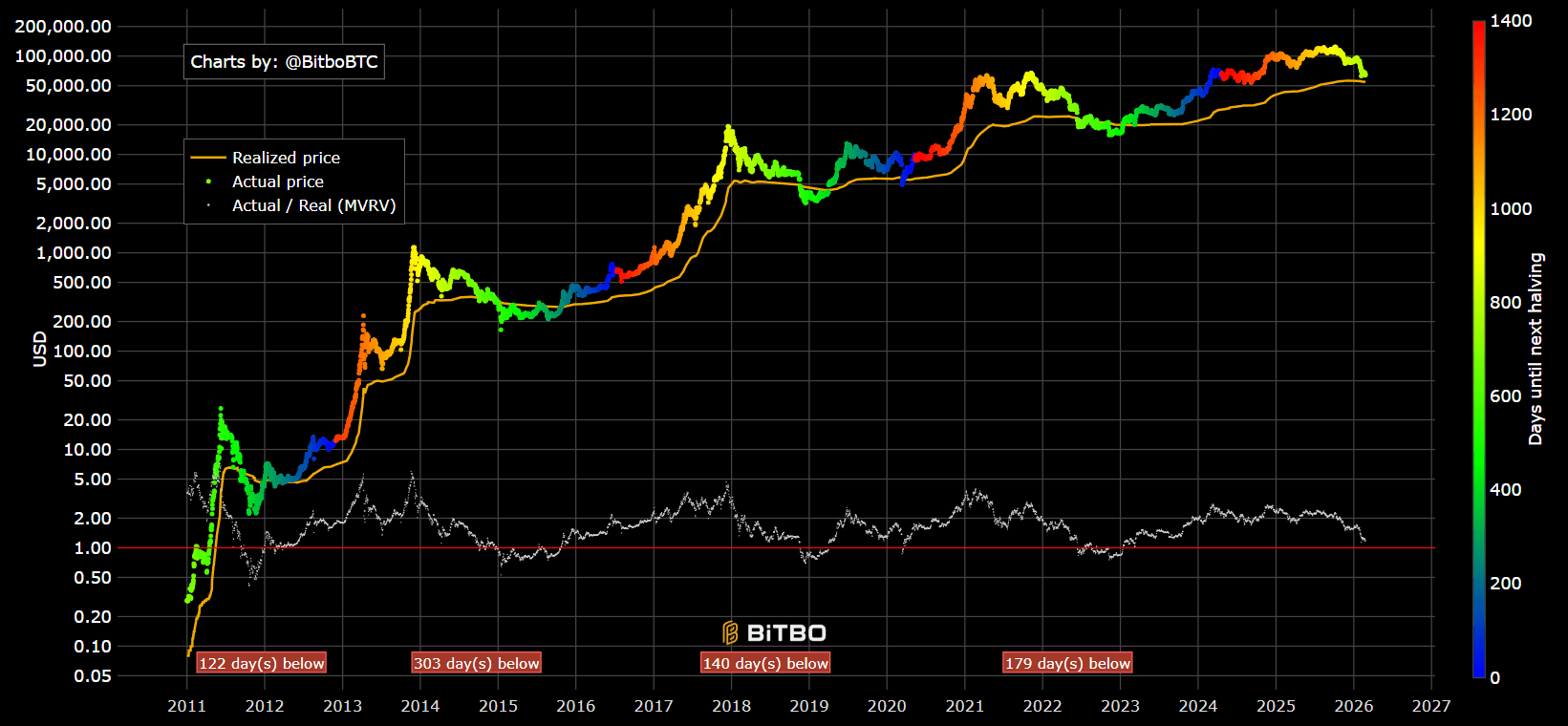
To truly grasp the "chill" in 2026, we first need to break down what happened during those "freezing moments" in previous bear markets.
The ICO Bubble Burst and Regulatory Winter of 2018
2018 marked a full year of the crypto market swinging from euphoric bull runs to a deep freeze bear phase. Bitcoin plummeted from its late — peak of nearly $20,000 to around $3,200 in 2017, with the overall market cap evaporating by over 80%. The industry went through the growing pains of shifting from wild speculation to more grounded buildings.
The key themes of this bear market were "liquidity drought and shattered faith."
The macro environment back then was brutally harsh:
- Global economic recovery was sluggish, and the Fed kicked off a rate-hike cycle, raising rates four times that year and ending with the federal funds rate at 2.25%-2.50%;
- China had already banned ICOs and exchanges the previous year, and in 2018, the U.S. SEC ramped up scrutiny and lawsuits, with many countries and regions following suit with their own bans.
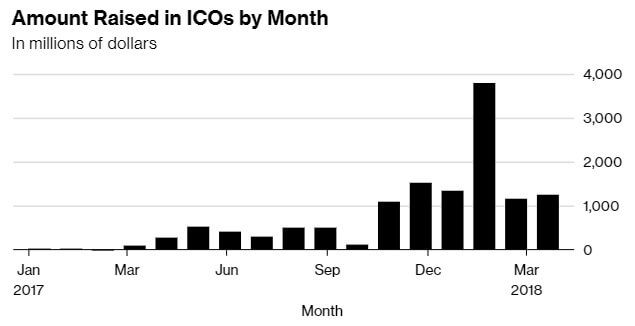
At the same time, the massive wealth-creating ICO frenzy from 2017 finally popped, with hacks hitting platforms like Mt.Gox and Bitfinex fueling the panic. Many mining operations have been shut down in droves, and "blockchain is a scam" became the mainstream media's go-to narrative.
In terms of impact, this bear cycle wiped out over 95% of ICO projects, but as every cloud has a silver lining, it paved the way for the DeFi boom in the next bull run. Some institutions started dipping their toes into Bitcoin on a small scale.
The Leverage Meltdown and Rate-Hike Crisis of 2022
In 2022, Bitcoin tumbled from $69,000 to around $15,000, with the drop less severe than in 2018.
Compared to 2018, the 2022 bear market was also fueled by macro disruptions and a restructuring of the existing ecosystem.
Macros sucked up liquidity like a vacuum:
- Post- pandemic economies were dealing with persistent high inflation, and the Fed hiked rates seven times to 4.25%-4.50%, marking the fastest, largest, and most frequent dollar rate increases since 1982.
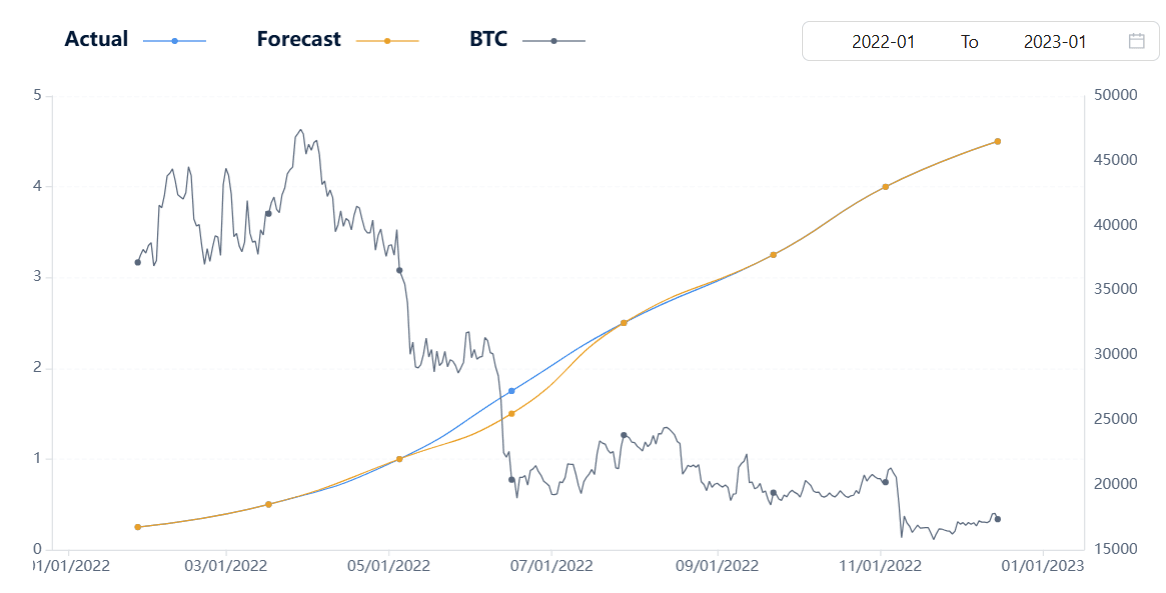
- Regulatory pressures escalated again, with the EU reaching key agreements on MiCA regulations, and the U.S. SEC tightening enforcement on stablecoins and exchanges.
Inside the crypto space, it was a chain reaction starting with the Terra/Luna algorithmic stablecoin collapse, which dragged down Celsius, Three Arrows, FTX, and others into bankruptcy. Sectors like NFTs, GameFi, and the metaverse fell into a deep slumber.
Even though the market turned chilly once more, long-term holders (LTH) started hitting record-high holdings, institutions like MicroStrategy ramped up their stakes dramatically, and the purge of CeFi ecosystems sped up the rise of self-custody, Layer2 solutions, and more.
In-depth compliance review in 2026
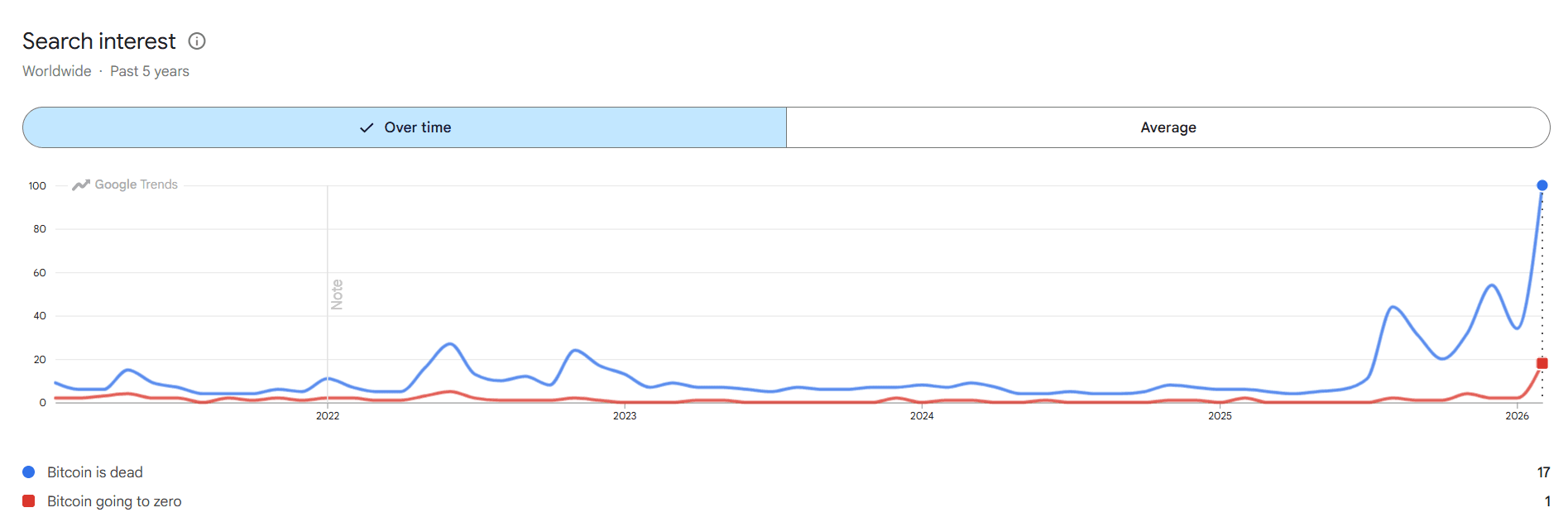
Heading into 2026, Bitcoin has broken below $80K, $70K, and $60K one after another. The Fear & Greed Index has spent a whopping 26 days in extreme fear territory over the past month, and Google searches for "Bitcoin is dead" have spiked to all-time highs—familiar bear market vibes making a comeback.
Compared to the past, the spread of market risks has intensified short-term sell-offs, but the underlying logic is a bit different:
- Even though we're in a mild rate-cutting phase right now, as we discussed in "Gold & Silver Hit New Highs, Is Bitcoin's Safe-Haven Narrative Losing Its Luster?", funds are flocking to gold and silver for shelter amid escalating sovereign debt crises, U.S. tariff trade wars, and potential threats to Fed independence. A certain number of crowds even reckon that AI has overtaken Web3 as the hot tech story, putting crypto right in the crosshairs.
- On the regulatory front, U.S. crypto policies have turned more friendly, but the odds of the CLARITY bill passing have taken a nosedive.
Of course, in this round of innovation narratives, we've seen a ton of high-funding, high-FDV infrastructure projects without real revenue keep tumbling. Narratives like Layer2, Restaking, and Memecoins have gone quiet, while the ETF story has ushered in an institution-dominated era. Right now, privacy, prediction markets, and stablecoins are still leading the pack.
If we look at volatility, as shown in the chart below, Bitcoin's 60-day average volatility has been trending downward year by year—a clear shift. Unlike the bubble bursts of 2018 or the leverage blowups of 2022, 2026 feels more like a weary adjustment. Although it was cold, it felt more like a mild winter.
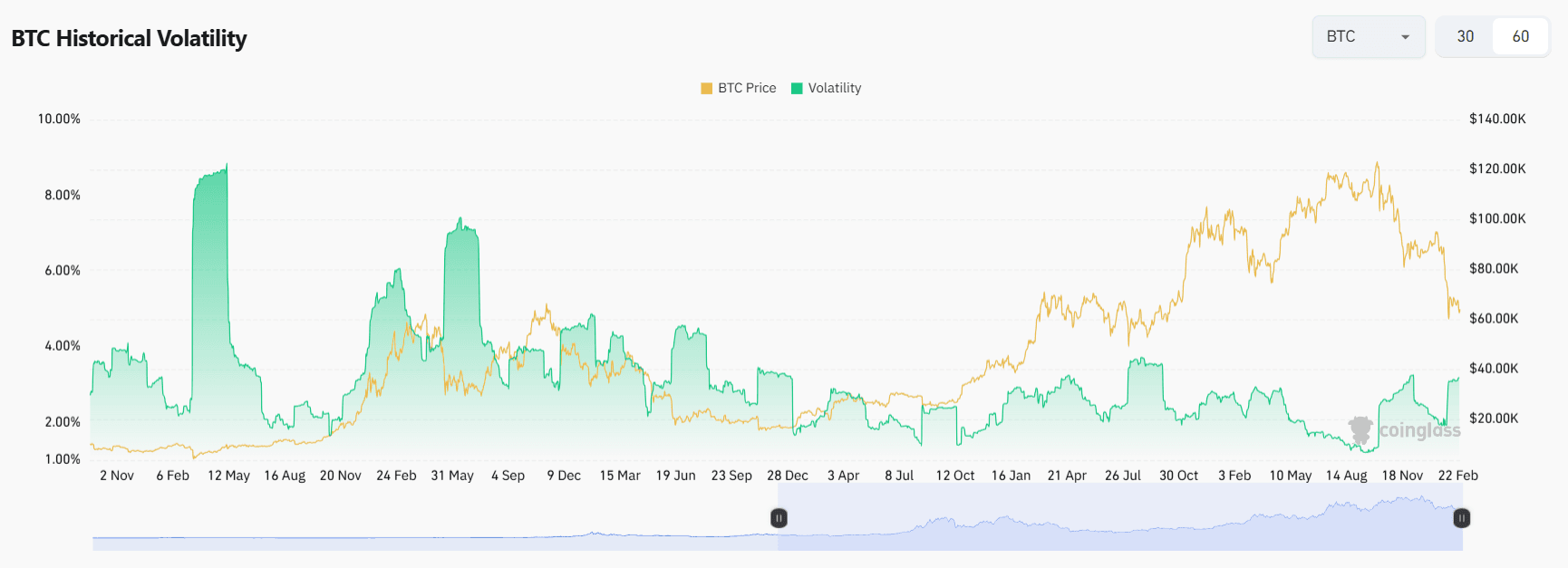
While it's too early to call it the "market bottom", it's clear that the chill in 2026 isn't the dramatic crash of old bear cycles — more like a deep recalibration in this era of hyper-compliance.
For investors, the long-term upward potential in crypto markets far outweighs the downside risks. However, where will the next wave of narratives pivot to? As the proverb says, "Time will tell" — let's keep our eyes peeled.
You may also like

Crunch Time for the CLARITY Act: What’s in Store for Crypto?
Tokenized Stocks 101: When the World's 7+3 Most Valuable Companies Become Crypto's Underlying Assets
Amid the boom in stablecoin investments, which stablecoins are worth keeping an eye on?
How the Three Most Valuable IPOs of 2026 Will Ignite a New RWA Narrative?
51% Attacks Explained: How Blockchains Get Rewritten
With the World Cup hype building, which tokens are worth keeping an eye on?
With OpenClaw taking the world by storm, what can the Agentic economy bring to Web3?
Conflict Escalates, Oil Prices Moon: How Will Crypto React?
Is Ethereum Still King in 2026? How Ethereum and Layer2 Are Reshaping the Crypto Ecosystem
US-Iran Tensions Boil Over: How War Rewires the Crypto Market
What Just Happened Referring to Decoding Crypto's Latest Plunge
WEEX Labs: Is the Much-Hyped “Supercycle” Finally Upon Us?
WEEX Labs: Gold & Silver Hit New Highs, Is Bitcoin's Safe-Haven Narrative Losing Its Luster?
WEEX Labs: Is the Chinese Meme Coin Craze Really Now?
How to Buy Cryptocurrency on WEEX Exchange 2026: Full Guide
Prediction Market Apps 2026: How Prediction Markets Work? Are They Safe and Legal?
Is Polymarket Legal in India in 2026? Key Legal Updates on Prediction Markets
14 Best Prediction Market Apps in 2026: The Ultimate Guide to Crypto-Native and Regulated Platforms
Crunch Time for the CLARITY Act: What’s in Store for Crypto?
Tokenized Stocks 101: When the World's 7+3 Most Valuable Companies Become Crypto's Underlying Assets
Amid the boom in stablecoin investments, which stablecoins are worth keeping an eye on?
How the Three Most Valuable IPOs of 2026 Will Ignite a New RWA Narrative?
51% Attacks Explained: How Blockchains Get Rewritten
With the World Cup hype building, which tokens are worth keeping an eye on?
Contents
Popular coins


