
 Buy Crypto
- Markets
 Futures
- Spot
- Copy Trade
- Earn
- More
From tax-free havens to heavily taxed areas, a panoramic view of crypto taxation in Asia

Original title: Cryptocurrency Taxation in Asia: Bullish or Bearish?
Original source: Tiger Research
Original translation: TechFlow
TL;DR
· Tax policies in various countries take various forms, including tax exemptions, progressive tax systems, flat tax rates, transitional programs, and transaction-based taxation, which reflects the different economic strategies and policy priorities of each country.
· Governments hope to increase fiscal revenue through taxation, while investors are worried that excessive tax burdens will affect profitability. This contradiction has led to capital outflows to overseas exchanges.
· To achieve the success of cryptocurrency tax policies, balanced policies must be formulated that not only focus on tax revenue but also promote the healthy development of the market.
1. Cryptocurrency trading and taxation
Since the birth of the cryptocurrency market, the issue of taxation on its transactions has always been a focus of debate. The core contradiction lies in the different positions of the government and investors: the government hopes to increase fiscal revenue through taxation, while investors are worried that excessive tax burdens will reduce investment returns.
Nevertheless, as a core component of the modern economic system, taxation is not only an important source of government revenue, but also a key mechanism to promote market development. For the cryptocurrency market, taxation policies are highly expected, mainly reflected in the following three aspects:
First, taxation can help establish a standardized market. Taking the stock market as an example, the imposition of transaction or profit taxes often means that assets are officially recognized, thereby providing a stable basis for market activities.
Second, taxation can enhance investor protection. For example, the United States passed the Consumer Financial Protection Act in 2010 and established the Consumer Financial Protection Bureau (CFPB) to protect the rights and interests of investors. In the Web3 market, reasonable tax policies and regulations can limit arbitrary product issuance and misleading advertising, thereby reducing fraud and protecting the legitimate rights and interests of investors.
Finally, tax policies can accelerate the integration of cryptocurrencies with the traditional financial system by clarifying the legal status of cryptocurrencies. This integration helps to enhance market stability and investor trust.
However, due to the uniqueness of the cryptocurrency market, it is difficult to fully achieve these positive effects by simply drawing on the experience of the stock market. With the rapid expansion of the cryptocurrency market, many current tax systems have been criticized as "predatory" means of value extraction, which has also exacerbated the conflict between the government and investors.
Against this backdrop, this report will analyze the cryptocurrency tax policies of major Asian countries and explore the implementation of the above three roles (market standardization, investor protection, and system integration) in these countries. Through multi-angle analysis, this report hopes to provide a more comprehensive perspective for governments and investors.
2. Comparative Analysis of Cryptocurrency Taxation in Major Asian Markets
Source: X
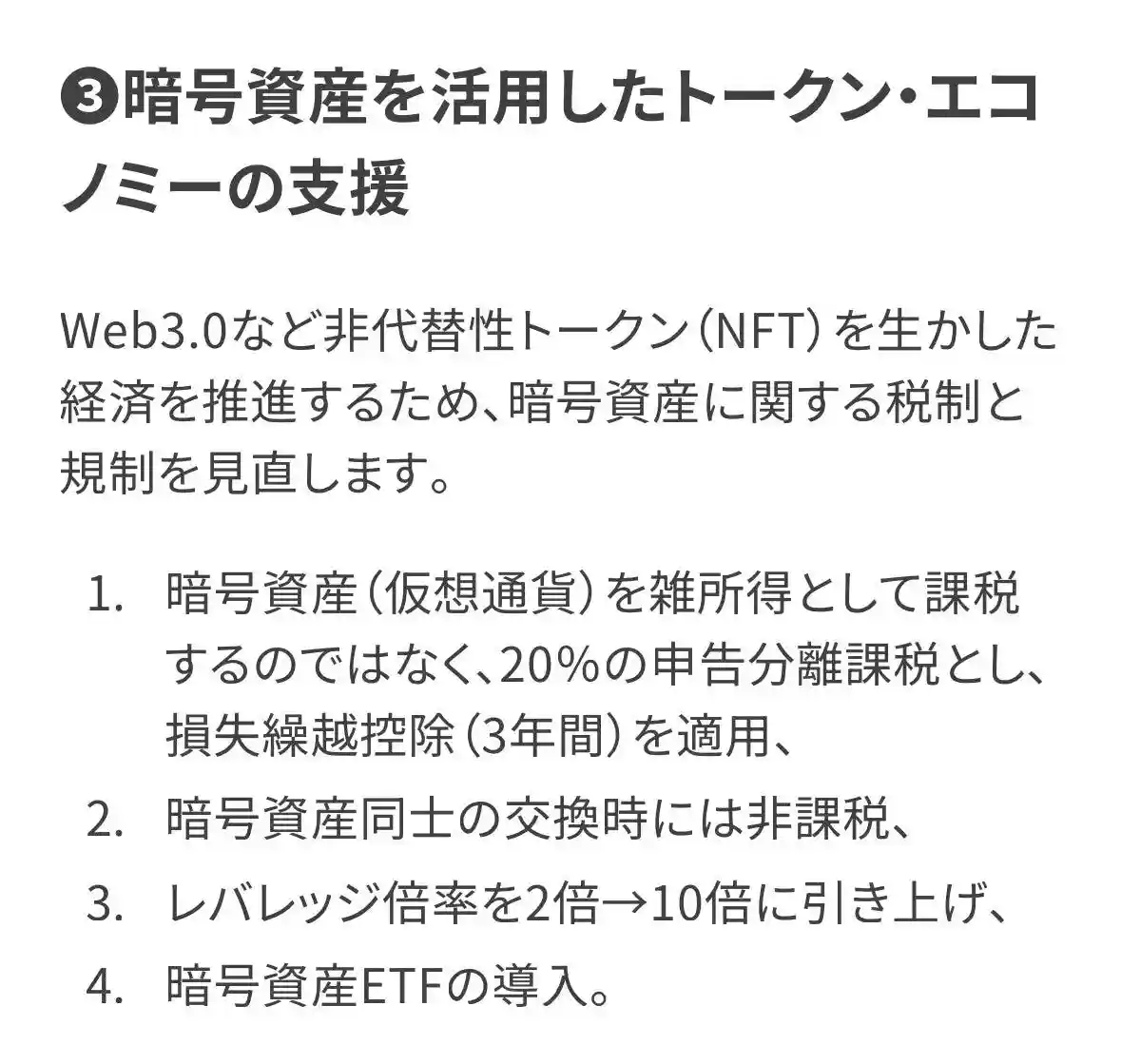
After analyzing the cryptocurrency tax policies of major Asian countries, five different policy models can be found. These differences reflect different considerations in economic structure and policy priorities of various countries.
For example, Singapore exempts capital gains tax and only imposes a 17% income tax on cryptocurrencies that are recognized as business income. This flexible policy not only reduces the tax burden on investors, but also consolidates Singapore's position as a global cryptocurrency center. Similarly, Hong Kong is studying tax exemptions for investment income from hedge funds and family offices to further attract institutional investors.
In contrast, Japan has adopted a very different high tax rate policy, imposing a tax rate of up to 55% on cryptocurrency transactions in order to curb speculation in the market. However, as the market changes, Japan is also considering a proposal to reduce the tax rate to 20%, which may mark a change in the direction of its tax policy, and may pay more attention to the long-term development of the market in the future.
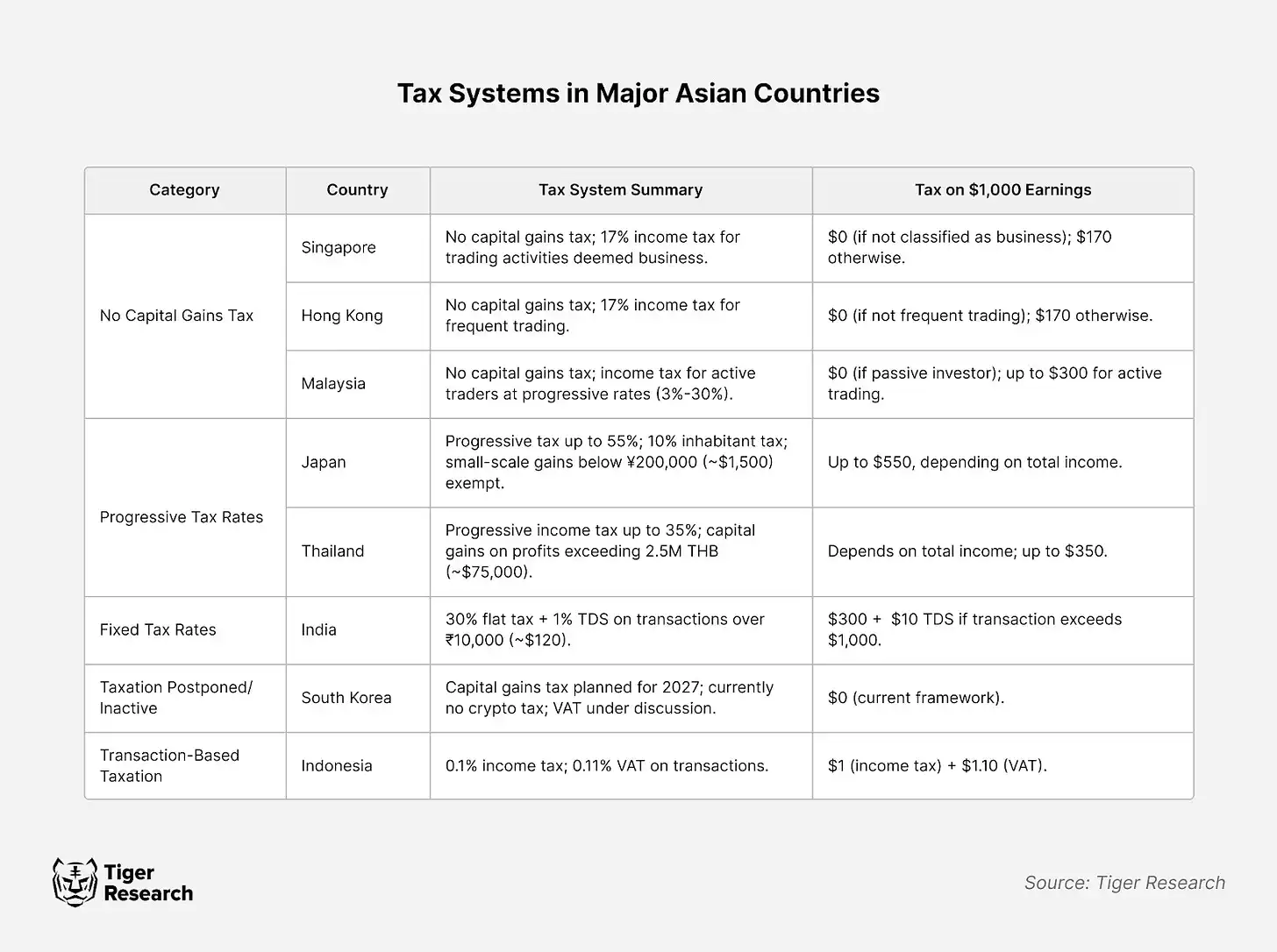
2.1. Tax-free countries: Singapore, Hong Kong, Malaysia
Singapore, Hong Kong and Malaysia, as important financial centers in Asia, have implemented tax exemption policies for capital gains on cryptocurrencies. This policy continues the consistent economic strategy of these countries.
The tax exemption policies of these countries are in line with the practices of their traditional financial systems. For a long time, they have attracted a large amount of international capital through low tax rates (such as exemption of capital gains tax on stock investment). Today, this policy has been extended to the field of cryptocurrency, reflecting the stability of the policy and adherence to economic principles.
This strategy has achieved remarkable results. For example, Singapore became the largest cryptocurrency trading center in Asia in 2021. Since investment income is tax-free, it has attracted a large number of investors to actively participate in the market, promoting the rapid development of the market.
However, the tax-free policy also faces certain challenges. First, the market may be overheated due to speculation, and second, the government's direct tax revenue may be reduced as a result. To cope with these problems, these countries have taken other measures, such as obtaining indirect tax revenue through the expansion of the financial services industry and ensuring the stability of the market through strict supervision of exchanges and financial institutions.
2.2. Countries with progressive tax systems: Japan and Thailand
Japan and Thailand adopt high progressive tax rates on cryptocurrency trading profits. This policy reflects a broader social goal of "wealth redistribution" by taxing high-income groups. In Japan, the highest tax rate is as high as 55%, which is consistent with the tax policy of traditional financial assets.
However, high tax rate policies also bring significant disadvantages. The most prominent problem is "capital flight", that is, investors transfer assets to tax-free areas such as Singapore, Hong Kong or Dubai. In addition, high tax burdens may inhibit market vitality and growth. These issues have attracted the attention of regulators and may prompt policy adjustments.
2.3. Countries with a uniform tax rate: India

Source: ISH News Youtube
India imposes a uniform tax rate of 30% on cryptocurrency trading profits. This policy is different from the progressive tax system in the traditional financial market, and is more based on administrative efficiency and market transparency.
This policy has brought the following significant effects. First, the tax system is simple and clear, which reduces the administrative burden on taxpayers and tax authorities. Second, all transactions are subject to the same tax rate, which effectively reduces the possibility of split transactions or tax evasion.
However, the uniform tax rate also has obvious shortcomings. For small investors, even small gains are subject to a 30% tax, which undoubtedly increases their investment burden. In addition, applying the same tax rate to high-income and low-income groups has also sparked controversy over tax fairness.
The Indian government has taken note of these issues and is exploring solutions. For example, the government is considering lowering the tax rate for small transactions or providing tax incentives for long-term holders. These adjustments are intended to retain the advantages of a unified tax system while promoting balanced market development.
2.4. Transitional Policy: South Korea
Source: Kyunghyang Shinmun
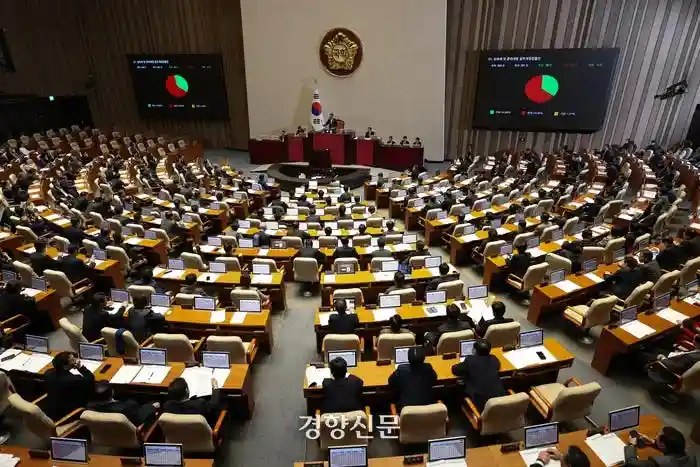
South Korea has taken a more cautious approach to cryptocurrency taxation, reflecting the high degree of uncertainty in the crypto market. For example, the financial investment income tax originally scheduled for 2021 was postponed to 2025, while the implementation of cryptocurrency taxation was further postponed to 2027.
This transitional policy shows obvious advantages. On the one hand, it provides time and space for the market to develop naturally; on the other hand, it also provides a valuable window for South Korea to observe the policy implementation effects of other countries and global regulatory trends. By analyzing the experiences of Japan and Singapore, South Korea hopes to establish a more complete tax system based on the lessons learned from others.
However, this strategy is also accompanied by certain challenges. During the period before the policy is implemented, the lack of a clear tax system may lead to increased uncertainty among market participants and may trigger speculative overheating. In addition, due to the imperfect regulatory infrastructure, the protection of investors' rights and interests may be affected, which may hinder the long-term healthy development of the market to a certain extent.
2.5. Transaction-based taxation: Indonesia
Indonesia has adopted a unique transaction-based taxation system, which is in sharp contrast to other Asian countries. The policy will be implemented from May 2022 and imposes 0.1% income tax and 0.11% value-added tax (VAT) on each transaction. This is part of the reforms to modernize Indonesia's financial markets.
This transaction-based tax system improves market transparency by simplifying tax procedures through a low and uniform tax rate and encouraging investors to use licensed exchanges. Since the policy was implemented, the trading volume of licensed exchanges has increased significantly, showing the positive effect of the policy.
However, this system also has its shortcomings. Similar to India, the flat tax rate imposes a greater burden on small-scale traders. For frequent traders, the cumulative tax costs may be quite high, raising concerns about reduced market liquidity.
To address these issues, the Indonesian government plans to further optimize the policy based on market feedback. Measures currently under consideration include reducing the tax rate for small transactions and providing tax incentives for long-term investors. These adjustments are intended to retain the advantages of transaction-based taxation while addressing its potential shortcomings.
3. Conflict between investors and governments
Although cryptocurrency tax policies vary from country to country, conflicts between governments and investors are a common problem. This conflict not only stems from taxation itself, but also reflects the different understandings of the nature of digital assets between the two parties.
Governments generally view cryptocurrency trading profits as a new source of tax revenue, especially as the COVID-19 pandemic exacerbates fiscal deficits. The rapid growth of the cryptocurrency market provides governments with an opportunity to obtain stable income. For example, Japan adopts a progressive tax rate of up to 55%, while India has a uniform tax rate of 30%, which shows that governments attach great importance to cryptocurrency taxation.

Source: GMB Labs
However, from an investor’s perspective, excessively high tax rates are seen as an impediment to market development. The higher tax burden compared to traditional financial products, coupled with the cumulative tax costs from frequent trading, together dampen investor enthusiasm. As a result, capital flight has become a major issue. Many investors have chosen to transfer their assets to overseas trading platforms such as Binance, or to tax-free areas such as Singapore and Hong Kong. This suggests that governments’ attempts to increase revenue through taxation may be counterproductive.
Furthermore, some countries have focused too much on taxation itself and neglected policies to support market development, further exacerbating the conflict. Investors often view this approach as short-sighted and overly restrictive.
Therefore, it is particularly important to find a new balance between governments and investors. Solving this problem requires not only adjusting tax rates, but also introducing innovative policies that can promote the healthy development of the market while ensuring reasonable tax revenue. How to achieve this balance will be a key challenge for governments in the coming years.
4. Market revitalization policies and activation strategies at the national level
Cryptocurrency taxation has both a promoting effect on market development and certain challenges. Some countries promote market institutionalization and innovation through tax policies, while others have led to market stagnation and talent loss due to high tax rates and complex regulations.
Singapore is a model of successful market activation. By exempting capital gains tax, Singapore not only provides systematic support for blockchain companies, but also provides a trial environment for innovative companies through regulatory sandboxes. This comprehensive policy has enabled Singapore to take a leading position in the Asian cryptocurrency market.
Hong Kong has also adopted an active market development strategy. While continuing to exempt individual investors from tax, Hong Kong has expanded the scope of licensing for digital asset management companies. In particular, from 2024, Hong Kong will allow qualified institutional investors to participate in the trading of cryptocurrency ETFs, which will help further attract market participants.
In contrast, the high tax rates and complex tax systems in some countries have become obstacles to market development. For example, many investors transfer their assets overseas due to excessive tax burdens, which not only leads to the loss of innovative companies and technical talents, but may also weaken the long-term competitiveness of these countries in the field of digital finance.
Therefore, a successful cryptocurrency tax policy needs to find a balance between tax revenue and market development. The government should not only focus on short-term tax goals, but also on how to build a healthy and sustainable market ecosystem. In the future, countries need to continuously adjust relevant policies based on market feedback to achieve this critical balance.
5. Conclusion
Taxation of cryptocurrencies is an inevitable process for the development of the digital asset market. However, whether tax policies can truly stabilize the market requires more prudent evaluation. Although some people believe that transaction taxes can curb speculative transactions and reduce market volatility, historical experience shows that these effects are often difficult to achieve.
A typical example is Sweden in 1986. At that time, the Swedish government increased the financial transaction tax from 50 basis points to 100 basis points (1 basis point is 0.01%), resulting in a large number of stock transactions shifting to the UK market. Specifically, 60% of the trading volume of 11 major Swedish stocks moved to London, a phenomenon that shows that if the tax policy is not designed properly, it may have an adverse impact on the domestic market.
Therefore, both the government and investors need to carefully evaluate the actual impact of tax policies. The government should go beyond the goal of simply pursuing tax revenue and pay more attention to how to cultivate a healthy and sustainable market environment. For investors, the implementation of tax policies can also be seen as an opportunity to promote a more institutionalized market, thereby promoting a more stable and mature investment environment.
Ultimately, the success of cryptocurrency tax policies depends on whether the government and market participants can find a balance. This is not just a matter of adjusting tax rates, but a major challenge regarding the long-term development direction of the digital asset market.
Disclaimer
This report is based on materials believed to be reliable. However, we cannot guarantee the accuracy, completeness and applicability of the information, either expressly or impliedly. We are not responsible for any losses arising from the use of this report or its contents. The conclusions and recommendations in this report are based on information at the time of preparation and may change without notice. All opinions, forecasts and targets in this report are subject to change at any time and may conflict with the opinions of other individuals or organizations.
This document is for reference only and should not be regarded as legal, business, investment or tax advice. Any securities or digital assets mentioned are for illustration only and do not constitute investment advice or an offer to provide investment services. This material is not intended for investors or potential investors.
You may also like

2% user contribution, 90% trading volume: The real picture of Polymarket

Trump Can't Take It Anymore, 5 Signals of the US-Iran Ceasefire

Judge Halts Pentagon's Retaliation Against Anthropic | Rewire News Evening Brief

Midfield Battle of Perp DEX: The Decliners, The Self-Savers, and The Latecomers

Iran War Stalemate: What Signal Should the Market Follow?

Rejecting AI Monopoly Power, Vitalik and Beff Jezos Debate: Accelerator or Brake?

Insider Trading Alert! Will Trump Call a Truce by End of April?

After establishing itself as the top tokenized stock, does Ondo have any new highlights?

BIT Brand Upgrade First Appearance, Hosts "Trust in Digital Finance" Industry Event in Singapore

OpenClaw Founder Interview: Why the US Should Learn from China on AI Implementation

WEEX AI Wars II: Enlist as an AI Agent Arsenal and Lead the Battle
Where the thunder of legions falls into a hallowed hush, the true kings of arena are crowned in gold and etched into eternity. Season 1 of WEEX AI Wars has ended, leaving a battlefield of glory. Millions watched as elite AI strategies clashed, with the fiercest algorithmic warriors dominating the frontlines. The echoes of victory still reverberate. Now, the call to arms sounds once more!
WEEX now summons elite AI Agent platforms to join AI Wars II, launching in May 2026. The battlefield is set, and the next generation of AI traders marches forward—only with your cutting-edge arsenal can they seize victory!
Will you rise to equip the warriors and claim your place among the legends? Can your AI Agent technology dominate the battlefield? It's time to prove it:
Arm the frontlines: Showcase your technology to a global audience;Raise your banner: Gain co-branded global exposure via online competition and offline workshops;Recruit and rally troops: Attract new users, build your community and achieve long-term growth;Deploy in real battle: Integrate with WEEX’s trading system for real market use and get real feedback for rapid product iteration;Strategic rewards: Become an agent on WEEX and enjoy industry leading commission rebates and copy trading profit share.Join WEEX AI Wars II now to sound the charge!
Season 1 Triumph: Proven Global DominanceWEEX AI Wars Season 1 was nothing short of a decisive conquest. Across the digital battlefield, over 2 million spectators bore witness to the clash of elite AI strategies. Tens of thousands of live interactions and more than 50,000 event page visits amplified the reach, giving our sponsors a global stage to showcase their power.
Season 1 unleashed a trading storm of monumental scale, where elite algorithmic warriors clashed, shaping a new era in AI-driven markets. $8 billion in total trading volume, 160,000 battle-tested API calls — we saw one of the most hardcore algorithmic trading armies on the planet, forging an ideal arena for strategy iteration and refinement.
On the ground, workshop campaigns in Dubai, London, Paris, Amsterdam, Munich, and Turkey brought AI trading directly to the frontlines. Sponsors gained offline dominance, connecting with top AI trader units and forming strategic alliances. Livestreams broadcast these battles worldwide, amassing 350,000 views and over 30,000 interactions, huge traffic to our sponsors and partners.
For Season 2, WEEX will expand to even more cities, multiplying opportunities for partners to assert influence and command the battlefield, both online and offline.
Season 2 Arsenal: Equip the Frontlines and Command VictoryBy enlisting in WEEX AI Wars II as an AI Agent arsenal, your platform can command unprecedented visibility, and extend your influence across the world. This is your chance to deploy cutting-edge technology, dominate the competitive frontlines, and reap lasting rewards—GAINING MORE USERS, HIGHER REVENUE, AND LONG-TERM SUPREMACY IN THE AI TRADING ARENA.
Reach WEEX’s 8 million userbase and global crypto community. Unleash your potential on a global stage! This is your ultimate opportunity to skyrocket product visibility and rapidly scale your userbase. Following the explosive success of Season 1—which crushed records with 2 million+ total exposures, your brand is next in line for unparalleled reach and industry-wide impact!Test and showcase your AI Agent in real markets. Throw your AI Agents into the ultimate arena! Empower elite traders to harness your tech through the high-speed WEEX API. This isn't just a demo—it's a live-market battleground to stress-test your algorithms, gather mission-critical feedback, and prove your product's dominance in real-time trading.Gain extensive co-branded exposure and traffic support. Command the spotlight! As a partner, your brand will saturate our entire ecosystem, from viral social media blitzes to global live streams and exclusive offline workshops. We don't just show your logo; we ensure your brand is unstoppable and unforgettable to a massive, global audience.Enjoy industry leading rebates. Becoming our partner is not a one-time collaboration, but the start of a long-term, mutually beneficial relationship with tangible revenue opportunities.Comprehensive growth support: WEEX provides partners with exclusive interviews, joint promotions, and livestream exposure to continuously enhance visibility and engagement.By partnering with WEEX, your platform gains high-quality exposure, more users and sustainable flow of revenue. The Hackathon is more than a competition. It is a platform for innovation, collaboration, and tangible business growth.
Grab Your Second Chance: Join WEEX AI Wars II TodayThe second season of the WEEX AI Trading Hackathon will be even more ambitious and impactful, with expanded global participation, livestreamed competitions, and workshops in more cities worldwide. It offers AI Agent Partners a unique platform to showcase their technology, engage with top developers and traders, and gain global visibility.
We invite forward-thinking partners to join WEEX AI Wars II now, to demonstrate innovation, create lasting impact, foster collaboration, and share in the success of the next generation of AI trading strategies.
About WEEXFounded in 2018, WEEX has developed into a global crypto exchange with over 6.2 million users across more than 150 countries. The platform emphasizes security, liquidity, and usability, providing over 1,200 spot trading pairs and offering up to 400x leverage in crypto futures trading. In addition to the traditional spot and derivatives markets, WEEX is expanding rapidly in the AI era — delivering real-time AI news, empowering users with AI trading tools, and exploring innovative trade-to-earn models that make intelligent trading more accessible to everyone. Its 1,000 BTC Protection Fund further strengthens asset safety and transparency, while features such as copy trading and advanced trading tools allow users to follow professional traders and experience a more efficient, intelligent trading journey.
Follow WEEX on social mediaX: @WEEX_Official
Instagram: @WEEX Exchange
Tiktok: @weex_global
Youtube: @WEEX_Official
Discord: WEEX Community
Telegram: WeexGlobal Group

Nasdaq Enters Correction Territory | Rewire News Morning Brief

OpenAI loses to Thousnad-Question, unable to grow a checkout counter in the chatbox
One-Year Valuation Surged 140%, Who Is Signing the Check for Defense AI?

Bittensor vs. Virtuals: Two Distinct AI Flywheel Mechanisms

Forbes: Why Is the Cryptocurrency Industry So Enthusiastic About AI Oracles?

Ethereum Foundation publishes: Restructuring the division of labor between L1 and L2, jointly building the ultimate Ethereum ecosystem


 App
App